Chemicals for Tip Cleaning - Soldering Maintenance Materials
Overview
Tip cleaning chemicals are used to maintain soldering iron tips and improve soldering quality when normal wiping is not enough.
They are not a substitute for good soldering technique. They are maintenance materials used carefully and only when needed.
In this course they are used to:
- Improve tip cleaning
- Help remove oxidation
- Support soldering practice
- Keep tools reliable during lab sessions
Image
Key Specifications
- Type: soldering maintenance chemicals
- Common examples:
- Flux F5
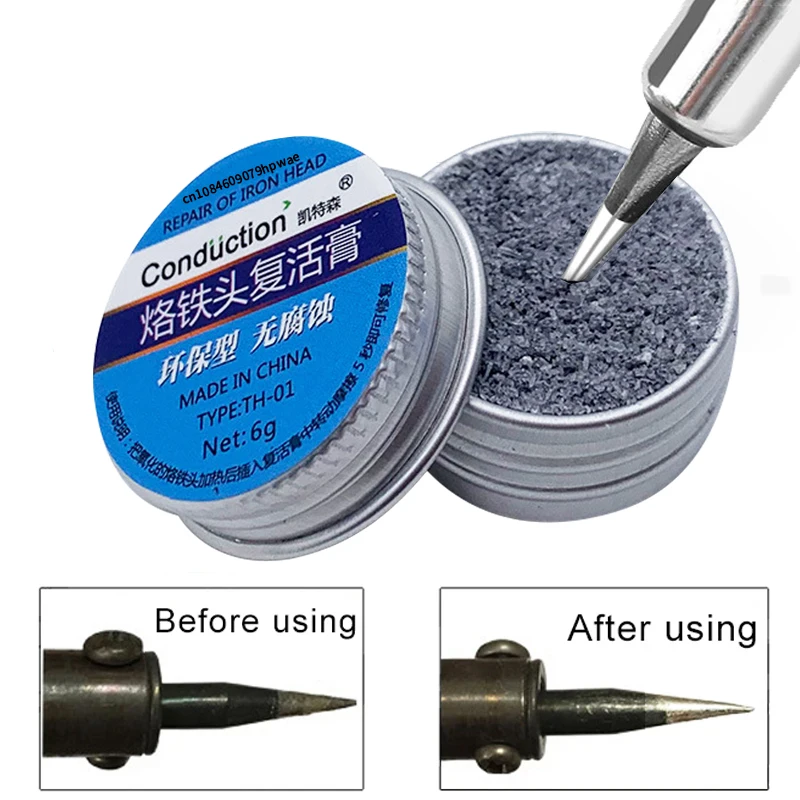
- Tip tinner / tip activator
- Main use: cleaning, restoring, or maintaining soldering tools
- Application: small amount only
- Safety requirement: ventilation and careful handling
What It Is Used For
Tip cleaning chemicals are used for specific maintenance tasks:
- Flux F5: recommended chemical for cleaning support in this lab
- Tip tinner: helps restore a tip that no longer wets properly
⚠ Use the mildest method that works. Start with normal sponge cleaning before using stronger chemicals.
How to Use
General workflow:
- Clean the tip with a cellulose or metal sponge.
- Check if solder wets the tip.
- If wetting is poor, apply the recommended chemical carefully.
- Wipe the tip again.
- Add fresh solder to tin the tip.
- Let the tool return to stable temperature.
Important Notes / Safety
- Use ventilation.
- Keep chemicals away from flames and hot surfaces unless specifically intended for hot-tip use.
- Avoid skin and eye contact.
- Do not mix chemicals.
- Do not apply board-cleaning chemicals to powered circuits.
- Read the label or safety data sheet before use.
- Store bottles closed and labeled.
- Use only small amounts.
Typical Use in This Course
- Restoring a soldering tip that does not accept solder
Common Student Mistakes
- Using chemicals before trying basic cleaning
- Applying too much
- Leaving residue under connectors
- Not re-tinning the tip after cleaning
- Using unknown chemicals from outside the lab
- Ignoring ventilation
Advantages
- Helps restore poor tip wetting
- Improves tool maintenance
- Can make difficult soldering easier
- Extends useful tip life when used correctly
Limitations
- Requires careful handling
- Can create fumes
- Does not fix physically damaged tips
- Wrong chemicals can damage boards or tools
- Overuse can make the workspace messy or unsafe
Summary
Tip cleaning chemicals are support materials for soldering:
- Use normal cleaning first
- Use Flux F5 when recommended by the lab
- Use tip tinner only when the tip needs restoration
- Re-tin the soldering tip after chemical cleaning